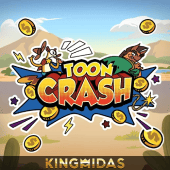
 Toon Crash
Toon Crash | Toon Crash Card Game
Toon Crash is a cards title for players who prefer short decisions, a clear result, and an easy-to-follow session rhythm. This page explains the practical way to approach it without promising a win.
Use the Toon Crash Demo view to become familiar with the table, then choose a stake only after you understand the round controls and your own limit.
Category: cards | Mobile-ready play on jlph orig
More Card Picks Near Toon Crash
These four cards entries are compact alternatives to compare when you want a different pace. Select an icon to open the current jlph orig play route.
 5 Card Poker
 Cards Hi Lo
 Coin Pusher
 Coin Toss
Toon Crash: A Clear Starting Point for New Players
Start with the controls and the pace, not the size of a possible payout. Toon Crash is easiest to understand when a new player first identifies the card display, the available action area, the stake indicator, and the result confirmation. A short practice session can show where each item appears before any real-money decision is made.
Three details worth checking
First, confirm that the selected card action is highlighted before submitting. Second, read the stake and balance together so one tap cannot be mistaken for another. Third, wait for the result screen to finish before starting a new round. These small habits make a Toon Crash Demo session more useful than rushing through repeated taps.
The main Index game overview is a useful place to compare the cards category with other jlph orig choices. Keep one session goal, use a comfortable limit, and stop when that limit is reached. A new Toon Crash player does not need a complicated system to make the interface manageable.
Open Toon Crash with a simple setup when you are ready. A promotion can add value, but its terms should be read before activation and should never change the spending limit you set for yourself.
How Toon Crash RTP Helps You Read Long-Run Results
RTP is a long-run statistical reference, not a prediction for the next Toon Crash round. Return to Player describes the theoretical amount returned across a very large number of comparable plays. It cannot tell a player that a particular card choice will win, and it does not make a losing sequence “due” to change.
Use published information, where available, to compare expected return over many rounds rather than to forecast one result.
Short sessions can sit well above or below a theoretical average because outcomes vary independently.
A percentage never replaces a time limit, a loss limit, or a decision to pause when play stops feeling comfortable.
For Toon Crash, an honest reading of RTP means checking the game information shown in the play environment and separating it from promotional language. The same careful approach applies to jlph orig promotions: confirm eligibility, wagering conditions, expiry, and withdrawal rules before treating a reward as part of a budget.
Review the current Toon Crash information and use the card display to learn the round sequence. RTP analysis can improve understanding, but it cannot remove house advantage or guarantee a particular outcome.
Toon Crash Strategy for Calm, Controlled Rounds
The most practical Toon Crash strategy is consistent stake control and a pre-set stopping point. Card outcomes are not changed by a lucky streak, so a repeatable routine is more useful than chasing a previous result. Decide how much time and money the session may use before opening the table.
Build a four-step Toon Crash routine
- Set a session budget and divide it into small, comfortable units.
- Use the practice view to locate the card controls and confirm the result state.
- Keep the same unit size instead of increasing a stake to recover a loss.
- Pause at the planned endpoint and record what you learned, not only the result.
Players who enjoy structured competition can read the Jlph Orig Tournaments schedule separately, but a tournament mindset should not be carried into an ordinary Toon Crash session. A leaderboard, bonus, or near miss is not a reason to exceed a personal limit.
Keep notifications and other distractions low, check the confirmation after every round, and take a short break after a run of wins or losses. Use a measured Toon Crash entry when the plan still feels comfortable; if it does not, close the game and return another day.
What Players Notice First in Toon Crash
Players usually judge Toon Crash by clarity, speed, and how easy it is to keep track of a session. The following review themes are practical checkpoints rather than promises of performance: a good experience should make the selected action, stake, and final result easy to distinguish.
Use these review points to form your own view instead of relying on a claim of easy wins. See Toon Crash on your device only when you are of legal age, understand the conditions, and can keep play within a chosen limit.
Toon Crash Round Flow from Entry to Result
A Toon Crash round can be understood as a simple sequence: prepare, choose, confirm, and review. Exact controls may vary with the play interface, so read the labels on screen rather than assuming that one card game behaves like another.
Check your balance, selected stake, and the table information before interacting.
Select the available card action only after you understand what it represents.
Check the confirmation state and wait for the round to resolve without double tapping.
Read the result, compare it with your plan, and decide whether to pause or continue.
The flow is the same whether you are learning through a Toon Crash Demo or taking part in a paid session: a practice screen teaches navigation, not future results. Start the round flow carefully and leave immediately if the interface or pace becomes unclear.
Toon Crash Terms Worth Knowing Before You Start
Knowing a few plain-language terms makes Toon Crash easier to read and helps prevent rushed choices. Use the definitions as a checklist, then confirm the exact wording in the game interface and any applicable rules.
Four terms in everyday language
- Stake
- The amount assigned to a round. It is not the same as a possible return.
- RTP
- A theoretical long-run return percentage, not a promise for one session.
- Variance
- The way short-term results can differ from a long-run average.
- Wagering condition
- A promotion rule that may require qualifying play before a reward or withdrawal is available.
Do not confuse a demo with a guarantee, a bonus with cash, or a previous result with a signal about the next one. The Fuwa Fishing game guide offers a separate example of how a different category can use different controls and terminology, so always read the rules of the title you open.
Read the Toon Crash details before playing, keep your account secure, and use responsible-gaming tools such as deposit or time limits where available. Participation is for adults who are legally permitted to play in their location.
Ready to Explore Toon Crash?
Take the information-first route: check the controls, choose a limit, and use the Toon Crash Demo before deciding whether the cards format suits you.